Introduction
In earlier engines, knocking was controlled manually by adjusting ignition timing or using high-octane fuel. However, modern automobiles have become highly intelligent systems equipped with sensors and electronic control units. These systems can detect and control knocking automatically in real time, ensuring better performance, efficiency, and engine safety. The integration of electronics and automation has transformed engine operation from a mechanical process into a smart adaptive system.
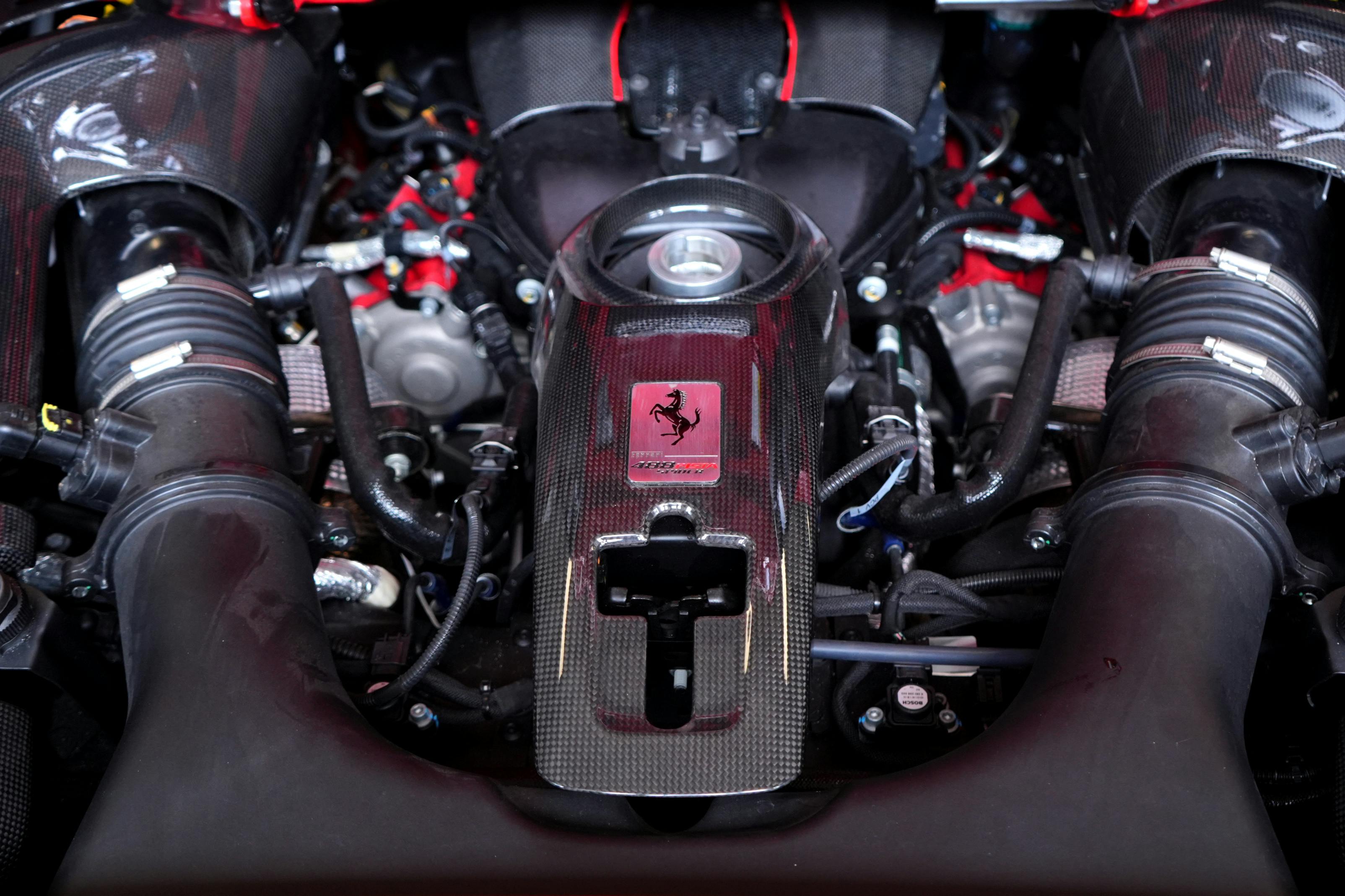
Image Credit: Pexels — Modern engines use sensors and electronic control systems to automatically detect and control knocking.
Definition of Knocking
Knocking is an abnormal combustion phenomenon in which the air-fuel mixture auto-ignites, producing pressure waves and vibrations inside the engine cylinder. This leads to loss of efficiency and potential engine damage.
Role of Modern Technology in Knock Control
Modern cars rely on a combination of sensors, actuators, and electronic control systems to monitor engine conditions continuously. These systems form a closed-loop control mechanism that detects knocking and takes corrective action instantly.
Main Methods Used in Modern Cars
Modern engines are equipped with knock sensors that detect abnormal vibrations caused by knocking. These sensors convert vibrations into electrical signals and send them to the engine control unit (ECU).
The Engine Control Unit (ECU) analyzes signals from the knock sensor and adjusts ignition timing accordingly. If knocking is detected, the ECU retards the spark timing to reduce pressure and temperature inside the cylinder.
Modern systems can modify the air-fuel mixture to control combustion temperature. A slightly rich mixture burns cooler and reduces knocking tendency.
In turbocharged engines, the ECU can reduce boost pressure when knocking occurs, preventing excessive temperature and pressure rise.
Modern systems operate on a closed-loop feedback mechanism. The ECU continuously monitors engine conditions and adjusts parameters dynamically to maintain optimal performance without knocking.
Knock control is not based on a single sensor. The ECU uses data from multiple sensors such as temperature sensors, oxygen sensors, and airflow sensors to make accurate decisions.
Advanced ECUs can learn from previous knocking events and adjust engine parameters for future conditions, improving efficiency and safety over time.
Scientific Working Principle
The working of modern knock control systems is based on detecting vibration frequencies produced during abnormal combustion. Knock sensors, typically based on piezoelectric principles, generate electrical signals when subjected to vibrations. These signals are analyzed by the ECU, which determines whether knocking is occurring.
Once detected, the ECU immediately takes corrective actions such as retarding ignition timing, enriching fuel mixture, or reducing engine load. These adjustments occur within milliseconds, making modern engines highly efficient and reliable.
Advantages of Automatic Knock Control
✔ Improves fuel efficiency
✔ Optimizes engine performance
✔ Reduces emissions
✔ Enhances engine life
Automatic knock control allows engines to operate near their maximum efficiency limit without risking damage, which is a major advantage over older systems.
Conclusion
Modern cars automatically reduce knocking through a combination of advanced sensors, real-time data processing, and intelligent control systems. The use of knock sensors and ECUs enables engines to detect abnormal combustion instantly and take corrective action within milliseconds. This transformation from manual control to fully automated engine management has significantly improved engine reliability, efficiency, and performance. As automotive technology continues to evolve, knock control systems will become even more precise and adaptive.


