How Does a Petrol Engine Start with Just a Tiny Spark? Understanding Spark Ignition
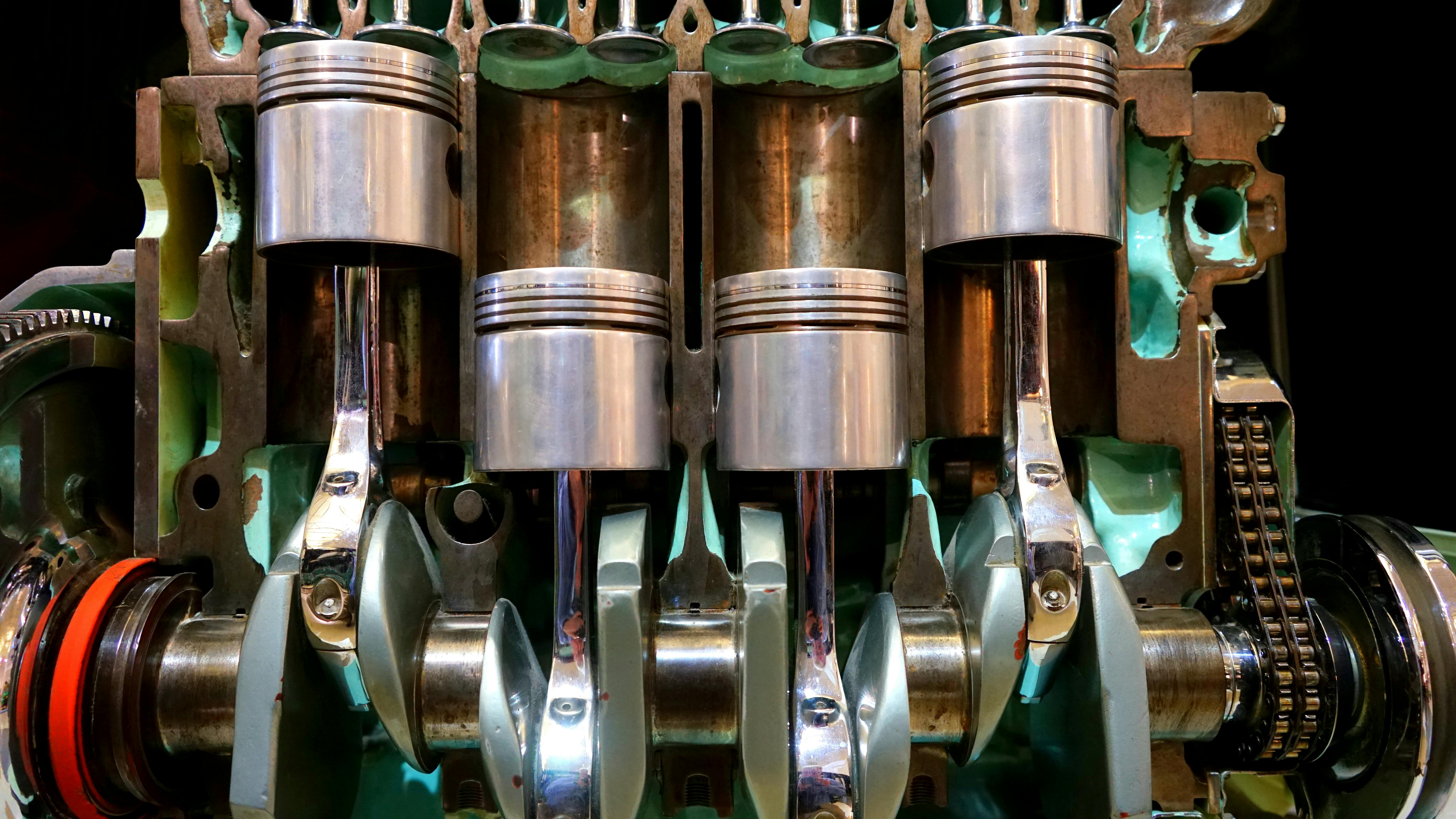
What Is Spark Ignition?
Spark Ignition (SI) is the combustion process in which an electrical spark produced by a spark plug ignites the compressed air-fuel mixture inside the engine cylinder.
Unlike diesel engines, the temperature created by compression alone is not sufficient to ignite petrol. Therefore, an external spark is required to begin combustion.
How Does Spark Ignition Work?
The combustion process follows a carefully timed sequence:
⬇
Mixture is Compressed
⬇
Spark Plug Produces Electric Spark
⬇
Fuel Mixture Ignites
⬇
High-Pressure Gases Push the Piston
Step-by-Step Working of Spark Ignition
Step 1: Intake Stroke
During the intake stroke, the piston moves downward while the intake valve opens.
A properly metered mixture of air and petrol enters the combustion chamber.
Step 2: Compression Stroke
The piston moves upward, compressing the air-fuel mixture.
Compression increases:
- Pressure
- Temperature
- Energy density of the mixture
However, the temperature remains below the auto-ignition temperature of petrol.
Step 3: Spark Generation
Just before the piston reaches Top Dead Centre (TDC), the ignition system sends a high-voltage current to the spark plug.
The spark plug creates a tiny electrical arc across its electrodes.
This spark can reach temperatures of over:
8,000°C
The intense heat ignites the compressed air-fuel mixture instantly.
Step 4: Combustion and Power Stroke
Once ignited, a flame front rapidly travels across the combustion chamber.
The burning gases expand, creating high pressure that pushes the piston downward.
This downward movement produces useful mechanical work.
⬇
Spark Plug Fires
⬇
Combustion Begins
⬇
Power Stroke
Why Is a Spark Plug Necessary?
Petrol has a relatively high resistance to self-ignition under normal engine compression ratios.
Typical petrol engines use compression ratios between:
8 : 1 to 12 : 1
These compression ratios improve efficiency while preventing uncontrolled combustion (engine knocking). Since the compressed mixture does not ignite on its own, a spark plug provides the energy needed to start combustion at the correct moment.
Major Components of the Spark Ignition System
- Spark Plug
- Ignition Coil
- Electronic Control Unit (ECU)
- Battery
- Crankshaft Position Sensor
- Camshaft Position Sensor
Modern vehicles use electronic ignition systems that automatically adjust spark timing for maximum performance and fuel efficiency.
Spark Ignition vs Compression Ignition
| Feature | Spark Ignition (SI) | Compression Ignition (CI) |
|---|---|---|
| Fuel | Petrol | Diesel |
| Ignition Source | Spark Plug | Hot Compressed Air |
| Compression Ratio | 8–12 : 1 | 14–22 : 1 |
| Engine Speed | Higher | Lower |
| Typical Applications | Cars, Motorcycles | Trucks, Buses, Tractors |
Advantages of Spark Ignition
- Smoother engine operation.
- Higher engine speeds (RPM).
- Lower engine weight.
- Quieter operation.
- Lower initial manufacturing cost.
- Faster throttle response.
Limitations
- Lower thermal efficiency than diesel engines.
- Higher fuel consumption.
- Requires a spark plug and ignition system.
- More susceptible to engine knocking if not properly controlled.
Where Is Spark Ignition Used?
- Passenger cars
- Motorcycles
- Scooters
- Sports cars
- Portable generators
- Lawn mowers
- Light aircraft engines
Why Is Spark Timing Important?
The spark must occur at precisely the right instant—usually a few degrees before the piston reaches Top Dead Centre.
If the spark occurs:
- Too early: Engine knocking and power loss may occur.
- Too late: Fuel burns inefficiently, reducing power and increasing fuel consumption.
Modern ECUs continuously adjust ignition timing based on engine load, speed, and operating conditions.
A Daily Life Analogy
Imagine lighting a candle with a match.
The candle wax will not burn until an external flame is applied. Once ignited, it continues burning on its own.
Similarly, the compressed air-fuel mixture in a petrol engine requires a spark to begin combustion. After ignition, the flame spreads rapidly throughout the cylinder.
The Engineering Perspective
Mechanical engineers optimize spark ignition by carefully designing combustion chambers, selecting appropriate spark plug locations, controlling ignition timing, and managing air-fuel ratios. These factors ensure rapid flame propagation, high thermal efficiency, reduced emissions, and improved engine performance.
The Philosophy Behind Spark Ignition
Spark ignition demonstrates that even a very small trigger can initiate a powerful transformation.
The spark itself contributes only a tiny amount of energy, yet it releases the much larger energy stored in the fuel. This reminds us that success often begins with one well-timed action rather than overwhelming force.
In engineering and in life, preparation creates potential—but sometimes all that is needed to unlock it is the right spark at the right moment.
Conclusion
Spark Ignition (SI) is the fundamental combustion process used in petrol engines, where an electrically generated spark ignites the compressed air-fuel mixture. By providing precise control over combustion timing, spark ignition enables smooth operation, high engine speeds, and reliable performance in a wide range of vehicles and equipment. Although it differs significantly from compression ignition used in diesel engines, spark ignition remains the cornerstone of modern petrol-powered transportation.


0 Comments