Introduction
If your car overheats in traffic but runs perfectly fine on highways, it is a very common but important warning sign. This condition usually means your cooling system is working partially—but failing under low-speed or idle conditions. Understanding this difference can help you detect problems early and avoid serious engine damage.
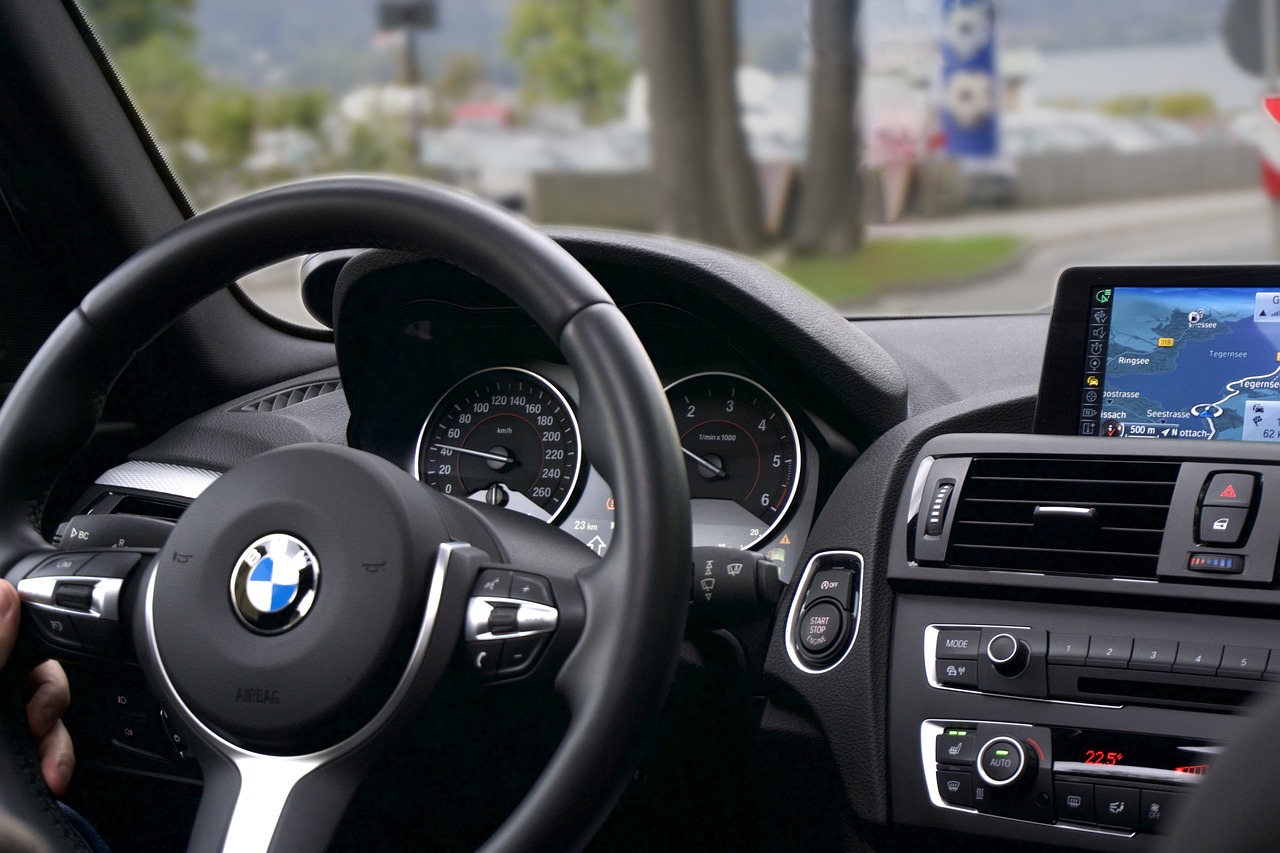
Image Credit: Pixabay — Engine overheating in traffic is often due to lack of airflow and cooling system inefficiencies at low speeds.
Key Concept
The main difference between traffic and highway driving is airflow.
✔ Traffic → Low airflow, depends on cooling system
At high speeds, air naturally passes through the radiator and removes heat. But in traffic, the engine relies completely on internal cooling components.
Why It Overheats in Traffic
At low speeds, the radiator fan replaces airflow. If it fails, heat builds rapidly.
In traffic, there is almost no natural airflow through the radiator, reducing heat dissipation.
Coolant carries heat away from the engine. Low levels reduce cooling efficiency, especially at idle.
If stuck closed, coolant cannot circulate properly, causing overheating.
Insufficient coolant circulation leads to rapid heat buildup.
Deposits block heat transfer, reducing cooling efficiency.
Using AC increases engine load and heat, worsening overheating in traffic.
Why It Does NOT Overheat on Highways
✔ Fan becomes less important
✔ Heat dissipates efficiently
✔ Cooling system gets assistance from motion
Even if some cooling components are weak, highway airflow compensates for them, preventing overheating.
Scientific Explanation
The radiator removes heat through convection:
✔ Low airflow → low cooling
✔ High airflow → high cooling
At low speeds, airflow is minimal, so cooling depends on fans and coolant circulation. If any component fails, heat accumulates quickly.
Real Driving Symptoms
✔ Normal temperature on highways
✔ Overheating when AC is ON
✔ Cooling when vehicle starts moving
✔ Fan not running properly
Why This is a Warning Sign
This condition indicates that your cooling system is partially failing. It may work under ideal conditions (highway) but fails under stress (traffic).
How to Fix the Problem
✔ Maintain proper coolant level
✔ Inspect thermostat and water pump
✔ Clean or flush radiator
✔ Check for leaks in cooling system
✔ Avoid excessive idling in heat
Real-Life Insight (India Context)
In hot climates like India, traffic congestion and high temperatures make overheating more common. High ambient heat further reduces cooling efficiency, especially during long traffic jams.
Conclusion
If your car overheats in traffic but not on highways, the root cause is usually insufficient cooling at low speeds. The problem is often related to cooling fans, coolant levels, or airflow issues. While highway driving masks the issue, traffic exposes it. Ignoring this condition can lead to severe engine damage, overheating, or breakdown. Early diagnosis and proper maintenance are essential to keep your engine safe and efficient.


