Introduction
When buying or driving a car, you often hear terms like torque and power (horsepower). Many people assume they mean the same thing—but they are fundamentally different. Understanding this difference is essential because it directly affects acceleration, pickup, fuel efficiency, and overall driving experience.
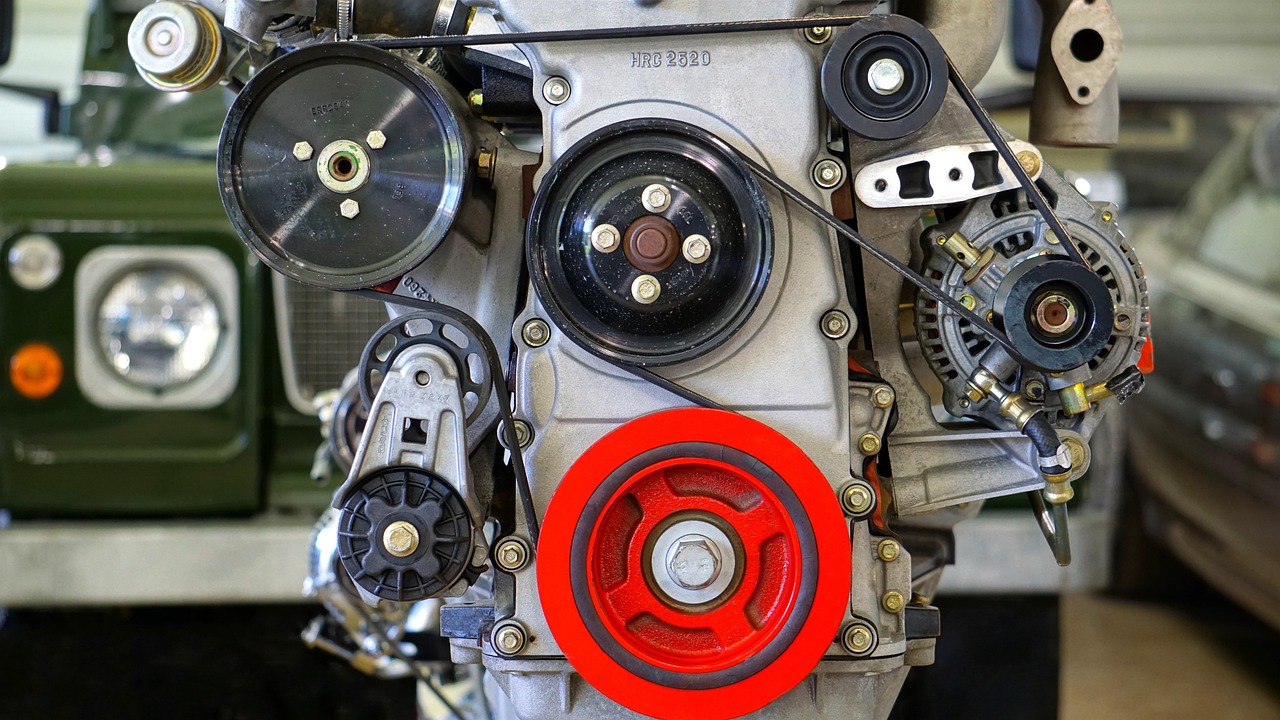
Image Credit: Pixabay — Torque and power together define how an engine performs in real-world driving conditions.
What is Torque?
Torque is the rotational force produced by the engine. It is what actually turns the wheels and gets the car moving from rest.
✔ Unit: Nm (Newton-meter) or lb-ft
✔ Important for: pickup, climbing, heavy loads
In simple words, torque is the strength of the engine.
What is Power (Horsepower)?
Power is how quickly the engine can perform work. It depends on both torque and engine speed (RPM).
✔ Unit: HP (Horsepower) or kW
✔ Important for: top speed and high-speed acceleration
In simple terms, power tells you how fast the engine can deliver that force.
Key Difference (Simple Understanding)
Power = Speed
✔ Power helps you keep moving fast
A car with high torque feels strong at low speed, while a car with high power performs better at high speed.
Scientific Relationship
Torque and power are mathematically related:
This means power increases when either torque increases or engine speed increases.
Real-Life Driving Examples
You need strong pickup in traffic → Torque is more important
You need high speed and overtaking → Power is more important
Requires strong pulling force → Torque dominates
Designed for speed → High power engines
Used for heavy loads → High torque engines
How You Feel It While Driving
✔ Power → Helps you reach and maintain high speeds
Torque is what you feel immediately, while power builds up over time.
Common Misconceptions
Reality: Without torque, the car may feel weak at low speeds
Reality: Every car needs torque for acceleration
Reality: They are directly connected
Which is More Important in Daily Driving?
In real-life driving, you need a balance of both:
✔ Highway use → More power preferred
✔ Best cars → Balanced torque and power
Most modern cars are designed to provide a combination of both for better overall performance.
Simple Analogy (Very Important)
✔ Torque → How heavy bucket you can lift
✔ Power → How fast you can lift it
Conclusion
The real difference between torque and power lies in their function. Torque provides the force to move the car, while power determines how fast that force is applied. In daily driving, torque helps in smooth pickup and climbing, while power ensures better high-speed performance. Understanding this balance helps you choose the right vehicle and improves your driving experience. The best engine is not the one with the highest number—but the one with the right balance of torque and power.


